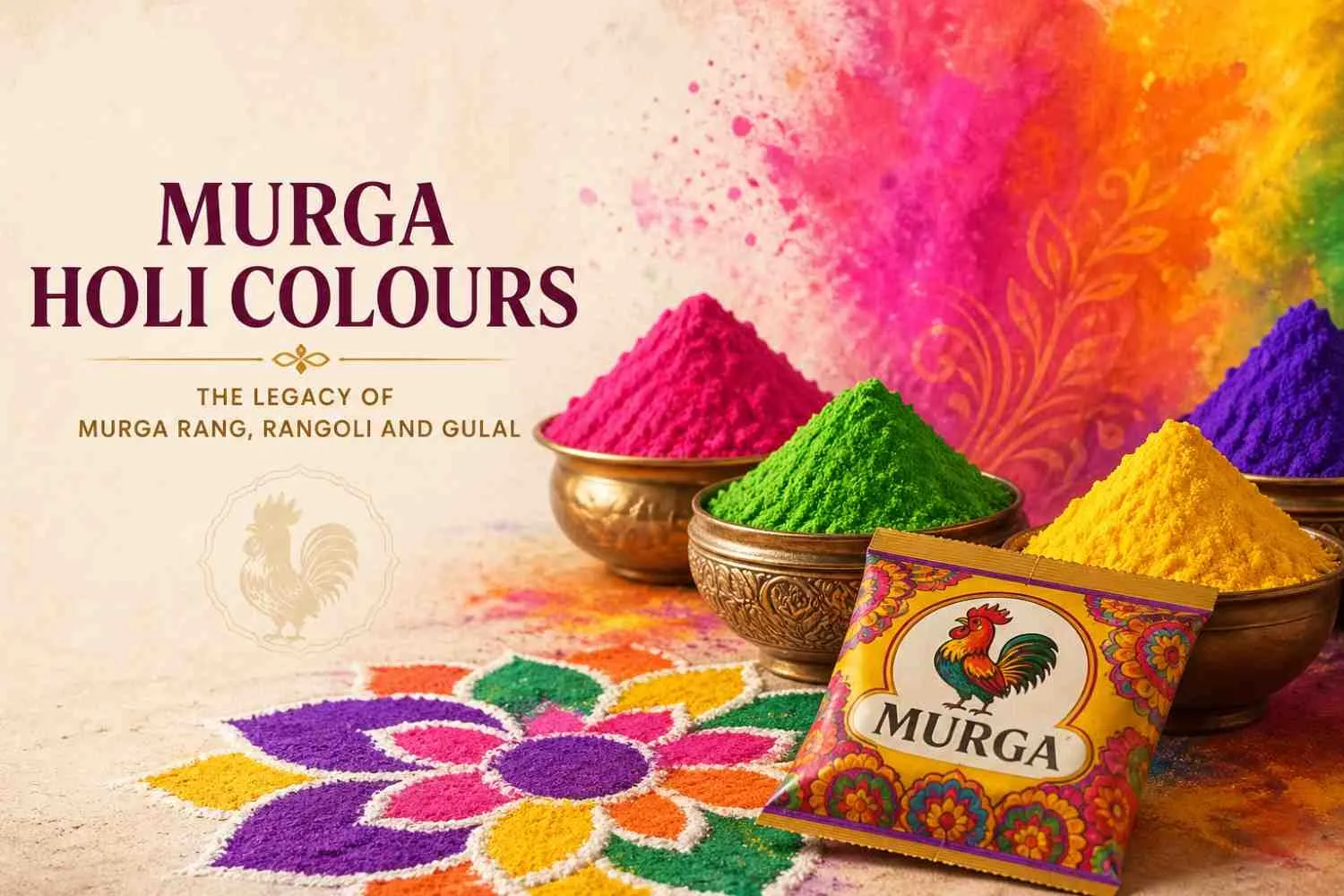
India is a country where festivals are not just celebrated — they are lived, felt, and remembered. Among all festivals, Holi holds a special place because it represents joy, renewal, and the power of togetherness. Over the decades, colours used in Holi have also evolved. From traditional powders sold in local markets to modern safe options, the journey of Murga holi colours is deeply connected to India’s festive culture.
Many people still remember the excitement of buying colourful packets of Murga Rang from nearby shops before Holi. Streets would turn pink, red, and yellow as children and adults celebrated with enthusiasm. At the same time, homes would be decorated with bright Murga Rangoli, adding artistic beauty to the festive environment. Alongside this visual charm, the soft texture of Murga Gulal symbolized warmth, friendship, and happiness.
Today, while celebrations have modernized, the emotional connection with traditional colours continues. Understanding this journey helps us appreciate how Indian festivals balance nostalgia with changing lifestyle needs.
The Cultural Importance of Colours in Holi
Colours have always played a symbolic role in Indian traditions. They represent positivity, spiritual energy, and social bonding. During Holi, colours break social barriers and allow people to celebrate freely.
Historically, natural flowers, herbs, and plant extracts were used to make festive powders. These were safe for skin and environment. Over time, commercial production introduced brighter synthetic colours, but the emotional connection with traditional products like Murga holi colours remained strong.
These colours were not just products — they were memories. People associated Holi mornings with laughter, playful chases, and vibrant shades filling the air.
Murga Rang: A Familiar Name in Traditional Holi Celebrations
For many Indian families, Murga Rang was one of the first branded festive colours they encountered. It became widely known because of its easy availability and festive packaging. Whether in small towns or large cities, colourful packets of Murga Rang were visible in seasonal stalls. The popularity of Murga Rang was also linked to affordability. It allowed large groups of people to participate in celebrations without worrying about cost. As a result, Holi became more inclusive and community-driven.
Even today, older generations recall how Murga Rang defined their childhood celebrations. These memories continue to influence how they choose colours for their families.
Murga Rangoli: Adding Artistic Beauty to Festive Homes
Holi is not only about playing with colours outdoors; it is also about decorating homes to welcome positivity. Creating rangoli designs at entrances is a cherished tradition across India.
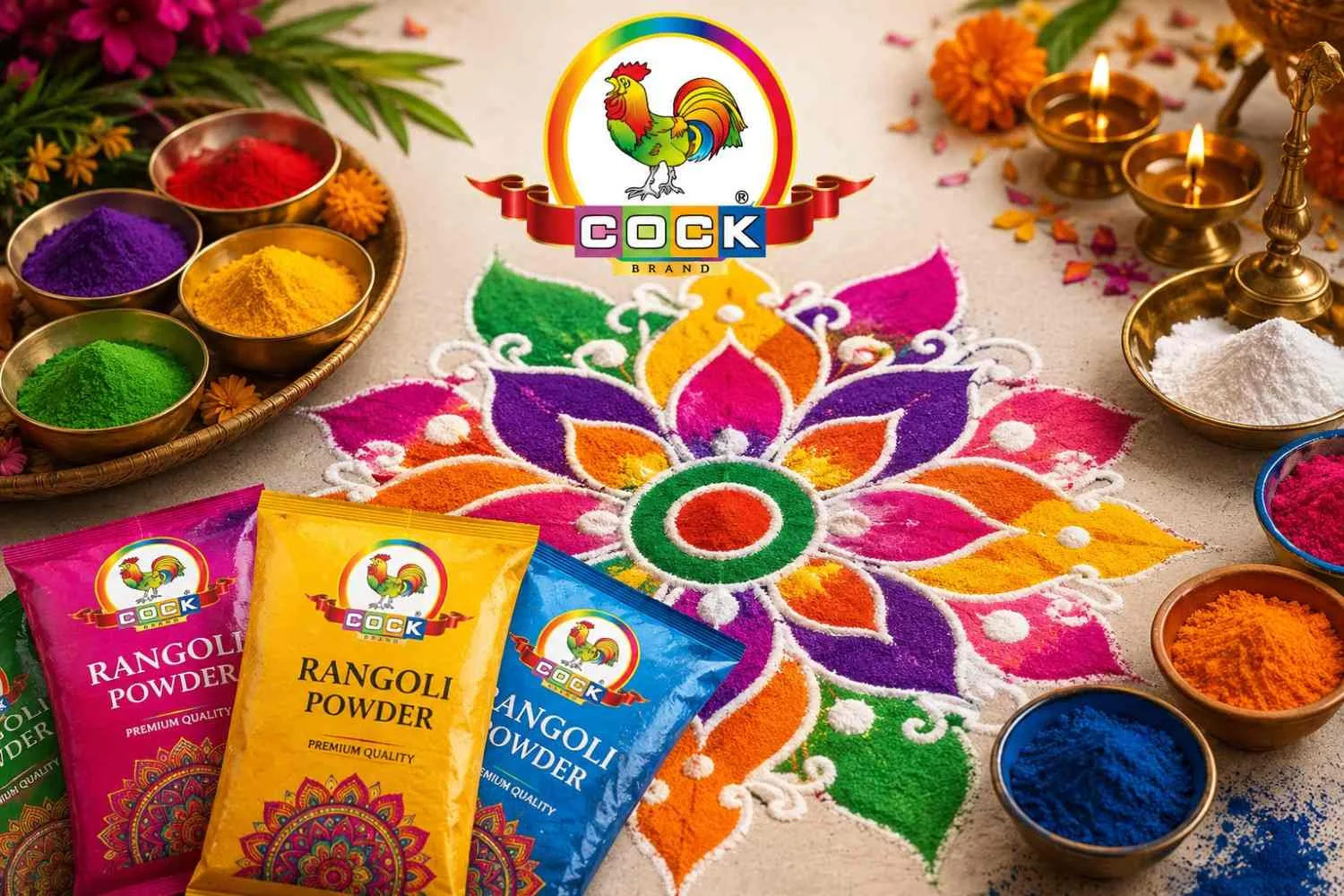
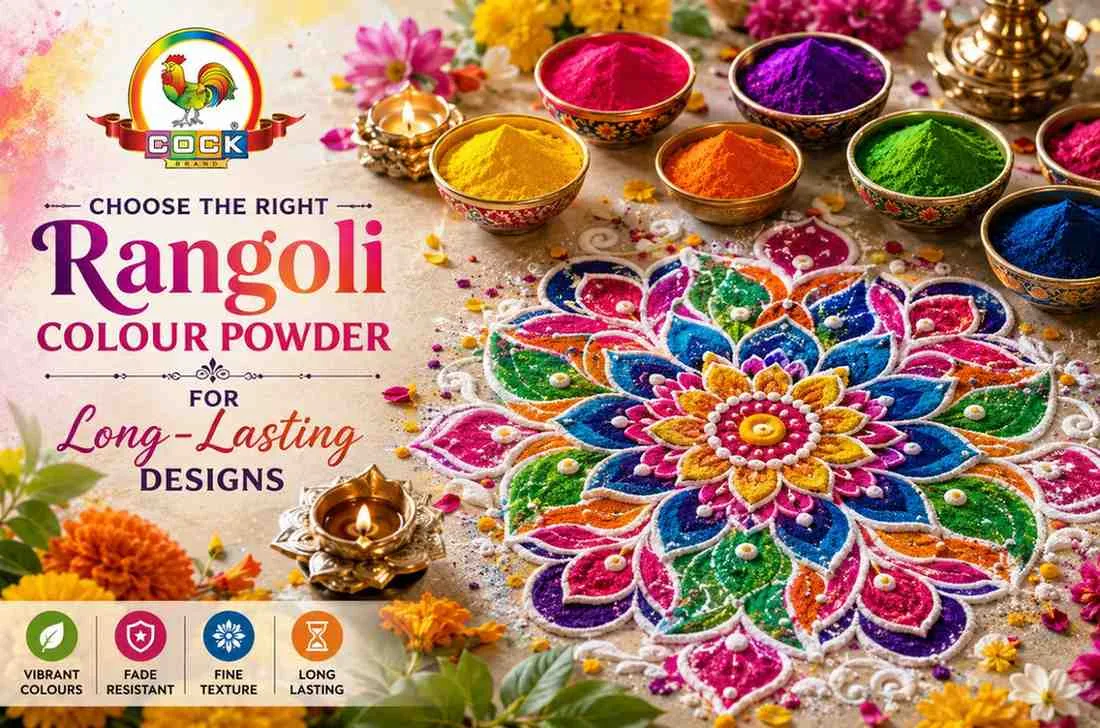
During festive seasons, colourful powders used for Holi were often repurposed to make beautiful Murga Rangoli patterns. From simple floral motifs to elaborate geometric designs, rangoli became a way to express creativity and devotion.
Murga Rangoli helped transform homes into vibrant spaces that reflected festive energy. Children would eagerly help elders fill colours into patterns, turning decoration into a joyful family activity.
This artistic tradition continues today, although people now experiment with themes, stencils, and modern décor ideas.
The Soft Charm of Murga Gulal
Among different types of festive powders, Murga Gulal held a special place because of its fine texture. Gulal symbolized affection and blessings. Applying gulal gently on someone’s face was seen as a gesture of goodwill and harmony.
Murga Gulal was often used during traditional rituals before the playful water celebrations began. Its smooth feel and bright shades made it ideal for ceremonial exchanges.
As Holi celebrations grew more energetic over time, gulal remained an important cultural element. It represented the emotional side of the festival — forgiveness, friendship, and new beginnings.
Changing Awareness Around Festive Colours
While traditional colours brought happiness, increasing awareness about skin safety and environmental impact has influenced modern buying decisions. Many synthetic colours introduced in later years caused irritation or were difficult to remove.
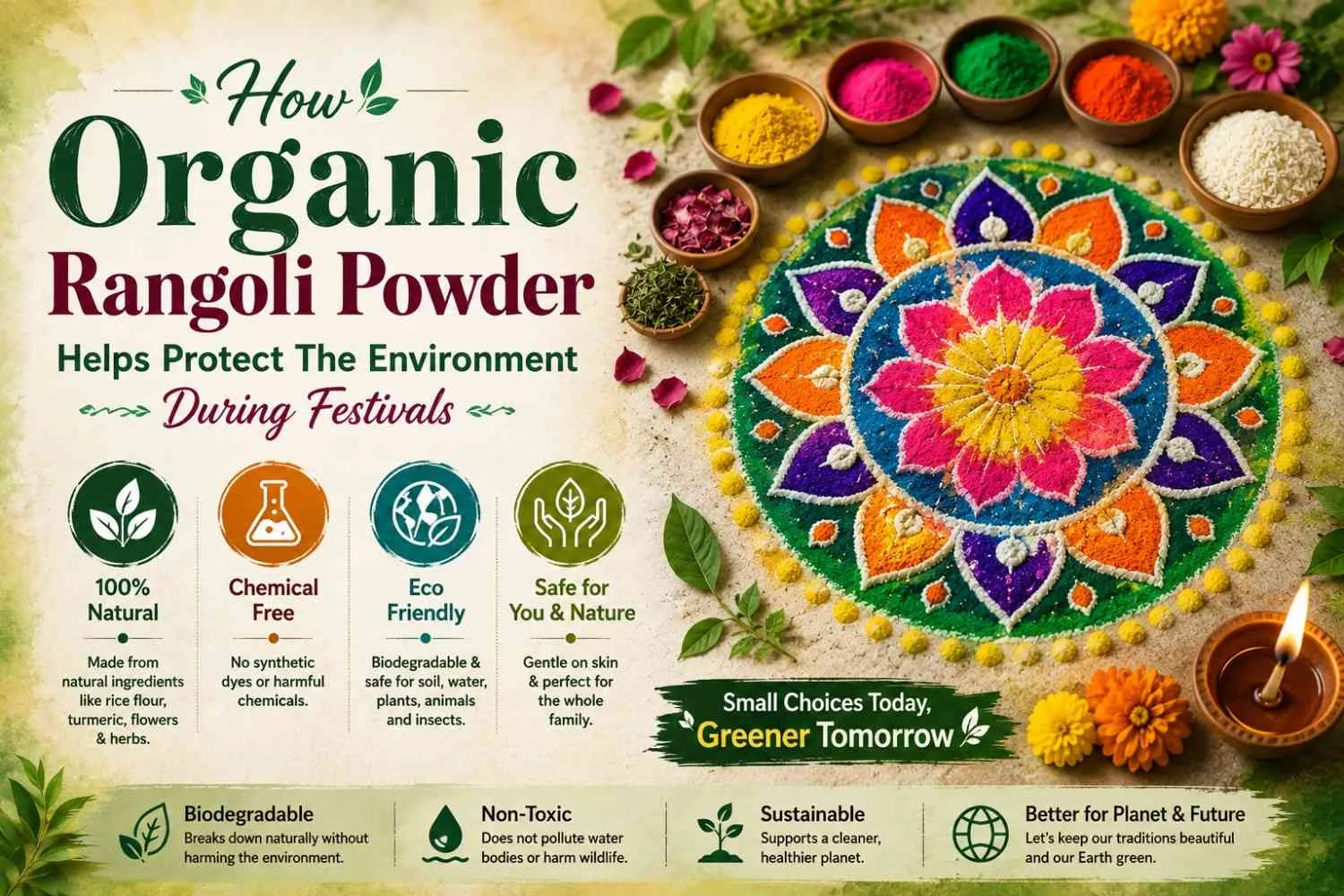
This led consumers to seek better alternatives without losing festive vibrancy. The demand for safer and more skin-friendly options gradually reshaped the market for Murga holi colours and similar products.
Parents became more cautious while selecting colours for children. Housing societies and schools also began promoting controlled celebrations using responsible products.
The Rise of Thoughtful Celebrations
Modern Holi celebrations are more organized compared to earlier decades. Community events, eco-friendly campaigns, and water conservation awareness have encouraged people to rethink how they celebrate.
In this context, traditions like creating Murga Rangoli designs or using soft gulal for symbolic rituals have regained importance. They allow people to enjoy the festival while minimizing excessive water use or environmental harm.
Festivals are increasingly seen as opportunities to celebrate responsibly. This shift does not reduce excitement — instead, it adds deeper meaning.
Nostalgia Meets Modern Preferences
One interesting aspect of Holi buying behaviour is the blend of nostalgia and practicality. Many consumers still feel emotionally connected to names like Murga Rang or Murga Gulal. At the same time, they evaluate products based on safety, washability, and comfort.
This balance between past memories and present needs defines modern festive markets. Brands that understand this emotional psychology can build stronger relationships with customers.
The continued relevance of Murga holi colours in conversations shows how deeply festivals are rooted in personal experiences.
Rangoli and Colour Play Beyond Holi
While Holi is the primary festival associated with colour powders, rangoli traditions extend to many other celebrations. Diwali, Navratri, Pongal, and weddings often feature colourful entrance designs.
Powders traditionally linked with Holi are sometimes reused creatively for such decorations. This cross-festival usage highlights the versatility of festive colours and their role in Indian aesthetics.
Design trends have also evolved — from freehand patterns to stencil-based Murga Rangoli themes inspired by nature, mythology, and modern art.
Community Celebrations and Social Bonding
Holi has always been about togetherness. Neighbours visit each other’s homes, friends reunite, and social hierarchies temporarily fade. Colours like Murga Gulal act as symbolic tools that enable this bonding.
Even in urban settings, organized Holi events encourage participation through music, dance, and shared meals. Safe colour usage becomes important when large groups celebrate together.
These gatherings strengthen cultural continuity and create new memories for younger generations.
The Role of Trusted Brands in Festive Markets
As consumer expectations grow, trust becomes a deciding factor. People prefer brands that deliver consistent quality year after year. Whether buying colours for rangoli decoration or playful celebrations, reliability matters.
Over time, brands like cock colours have gained recognition for aligning with evolving preferences. They represent how festive products can respect tradition while adapting to modern needs.
Trust is built not only through advertising but through user experience and community feedback.
Looking Ahead: The Future of Festive Colours
India’s festive landscape will continue to evolve as awareness increases and lifestyles change. Technology, sustainability initiatives, and design innovation will influence how colours are produced and used.
However, emotional elements like Murga holi colours, Murga Rang memories, and rangoli traditions will remain timeless. Festivals thrive because they connect generations through shared rituals.
The future of Holi celebrations lies in blending heritage with responsibility — keeping the joy alive while making mindful choices.
FAQ
1. What are Murga holi colours?
Murga holi colours refer to traditional festive powders historically popular during Holi celebrations. They were widely used for playful colour application and symbolic rituals.
2. How is Murga Rang different from regular Holi colours?
Murga Rang was known as a familiar branded festive powder available in local markets. It gained popularity for affordability and accessibility during seasonal celebrations.
3. Can Murga Rangoli be created using Holi colours?
Yes, colourful powders traditionally used for Holi are often repurposed to create rangoli designs. Murga Rangoli patterns are common during multiple Indian festivals.
4. What is Murga Gulal used for?
Murga Gulal is typically used for ceremonial colour application. It symbolizes goodwill, blessings, and emotional bonding during Holi rituals.
5. How can people celebrate Holi safely today?
Choosing skin-friendly colours, limiting water wastage, and participating in organized celebrations can help make Holi enjoyable and responsible.