EVERYTHING YOU NEED TO KNOW ABOUT ORGANIC COLOUR FOR HOLI
July 24, 2026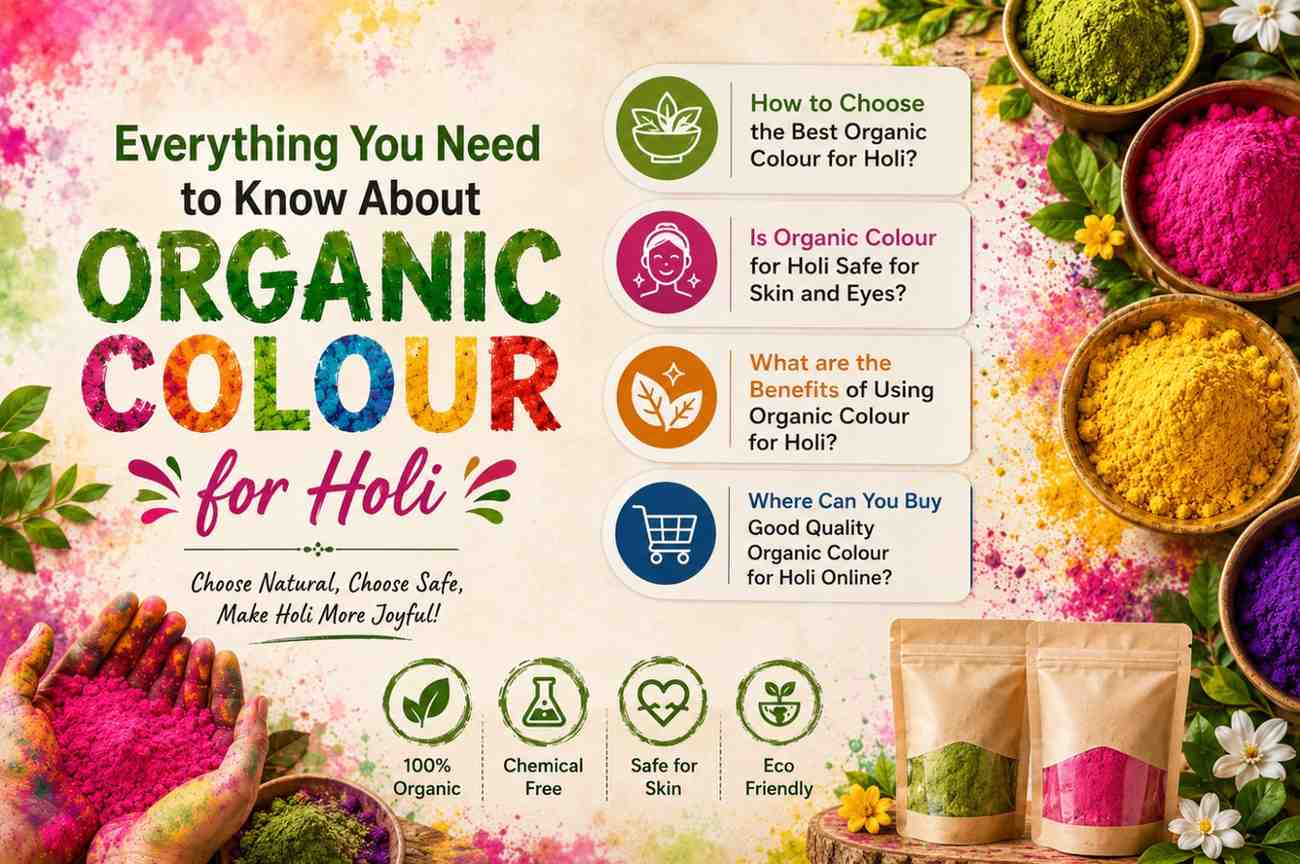
Every year, right before Holi, the same scene plays out in most Indian households — someone rushes out a day or two before the festival to grab whatever colour packets are available at the nearest shop, without really checking what's inside them. And every year, a fair number of people end up with dry skin, stinging eyes, or colour that simply refuses to wash out for a week. It doesn't have to be this way.
Organic colour for Holi has slowly moved from being a niche, "eco-friendly" choice to something a lot more people are actively looking for — not because it's trendy, but because they've had one too many bad experiences with synthetic alternatives. This guide walks through everything worth knowing before you buy colours this year — how to pick the right ones, whether they're actually safe for skin and eyes, what benefits you're getting by choosing organic, and where to actually buy good quality colours online without ending up with something cheap and harmful.
How to Choose the Best Organic Colour for Holi?
Not everything labelled "organic" or "natural" on a Holi colour packet actually is. This has become one of the biggest problems with the current market — vague labelling that says very little about what's actually inside.
Here's what to actually look for:
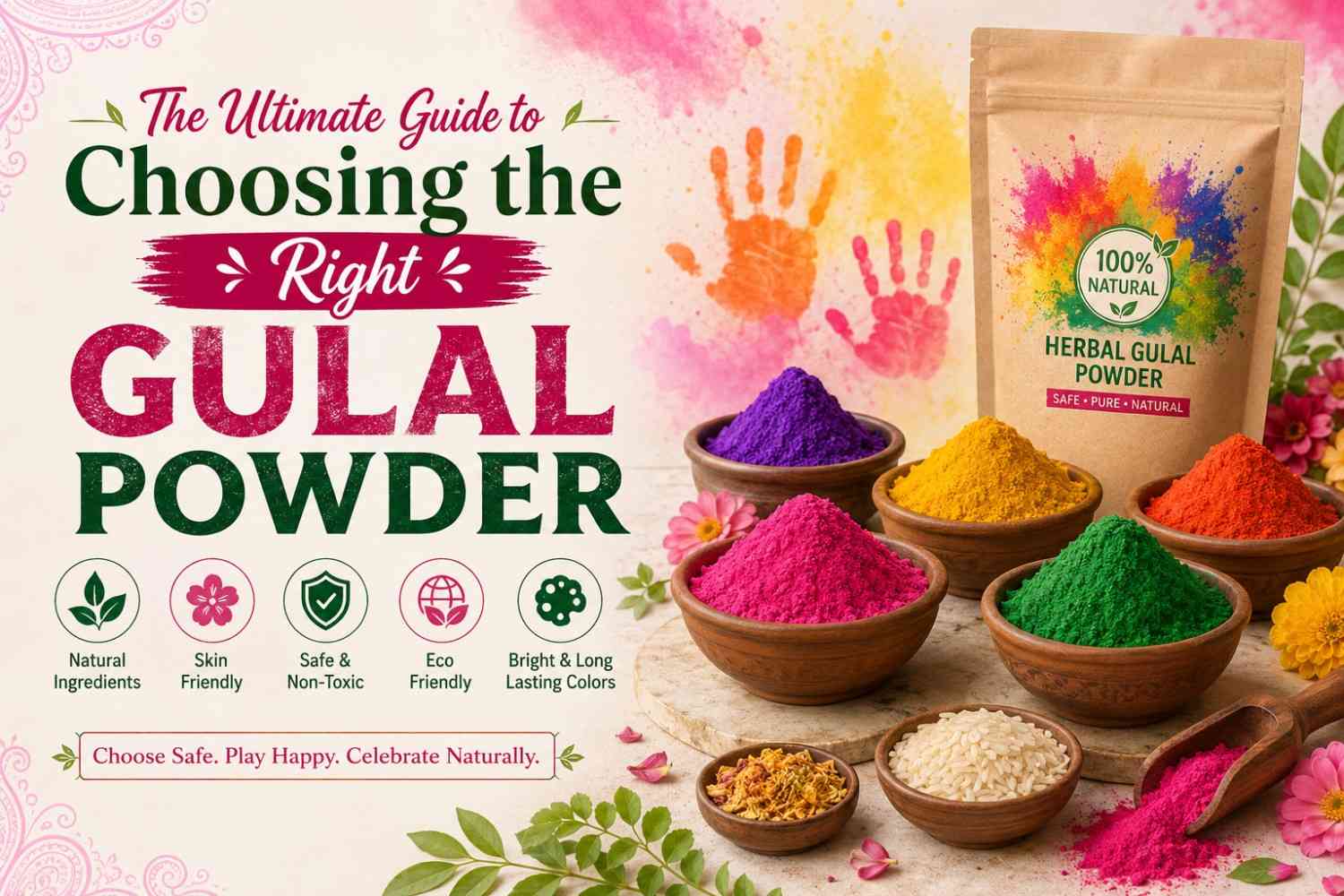
Check the ingredient list, not just the packaging claims. Genuine organic Holi colours will mention their base clearly — arrowroot powder, corn starch, rice flour — along with the natural colourants used, like turmeric, beetroot, hibiscus, or indigo. If a packet just says "natural colour" with nothing else, that's usually a sign to look elsewhere.
Texture tells you a lot. Rub a pinch of the colour between your fingers. Organic Holi colours tend to feel soft and slightly matte, similar to talcum powder. If it feels gritty, oily, or unusually smooth in a synthetic way, it's likely mixed with industrial fillers.
Smell matters more than people realise. Herbal colour for Holi often carries a faint natural scent from its ingredients — turmeric, sandalwood, or floral notes. A completely odourless but extremely bright colour is often a red flag for heavy synthetic processing.
Go with brands that have been around. This is where a name like Cock Colours becomes genuinely useful. Brands with years of experience making festival colours tend to have far more consistent sourcing and quality control than unbranded loose colour sold without any information at all.
Choosing the right organic colour for Holi really comes down to slowing down for two extra minutes before buying, instead of grabbing the first bright packet you see.
Is Organic Colour for Holi Safe for Skin and Eyes?
This is the question that matters most, especially if you're buying colours for kids or elderly family members who tend to have more sensitive skin.
Synthetic Holi colours are often the real culprit behind the itching, redness, and irritation people associate with "bad reactions to Holi colour." Many cheaper synthetic powders contain heavy metals like lead, mercury, and chromium, along with industrial dyes that were never meant to be applied directly to skin. These are also the colours responsible for most eye-related complaints during Holi — redness, temporary blurred vision, or allergic conjunctivitis when powder gets into the eyes accidentally.
Skin friendly Holi colours, made from organic and herbal sources, remove most of this risk. Since the base ingredients are things the body already tolerates well — starch, turmeric, natural plant extracts — the chances of a reaction drop significantly. They're also far gentler if they do happen to get near the eyes, compared to synthetic alternatives.
That said, "organic" doesn't automatically mean "zero risk for everyone." People with very sensitive skin or known allergies to specific plants (turmeric, for instance, can occasionally cause mild reactions in a small number of people) should still do a quick patch test before playing Holi with a new colour. But for the vast majority of people, organic colour for Holi is a noticeably safer choice than synthetic powder.
What are the Benefits of Using Organic Colour for Holi?
Switching to organic colours isn't just about avoiding a rash — the benefits go well beyond skin safety.
Gentler on skin and eyes. As covered above, this is the most immediate and noticeable benefit, especially for children who tend to get colour on their hands, face, and occasionally near their eyes during play.
Washes off far more easily. Synthetic Holi colours are notorious for clinging to skin and hair for days, sometimes requiring aggressive scrubbing that damages skin further. Organic, starch-based colours generally wash out with normal soap and water within a wash or two.
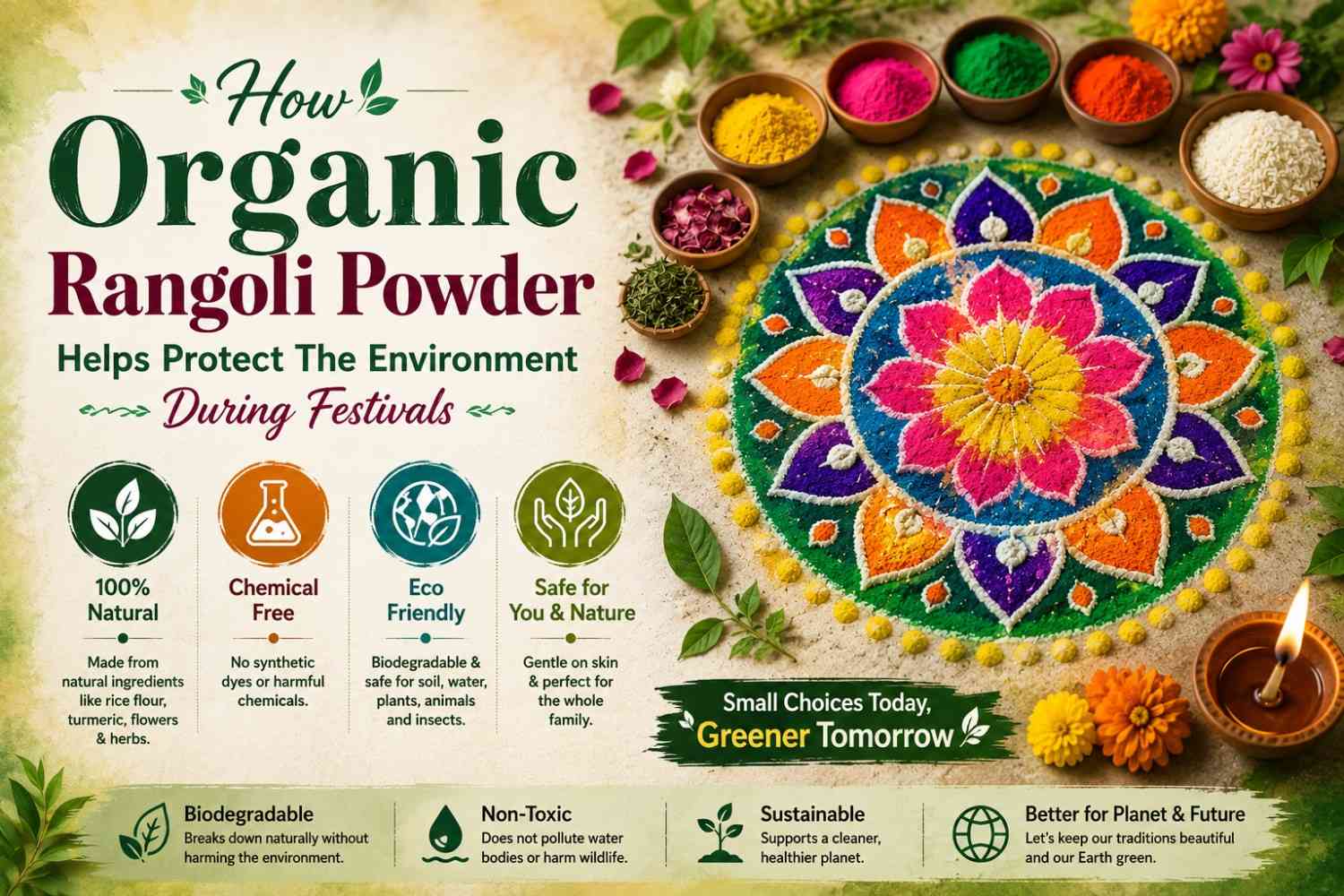
Better for the environment. Synthetic dyes don't break down naturally — they wash into drains and eventually water bodies, carrying heavy metals along with them. Organic Holi colours, being biodegradable, don't leave behind the same lasting environmental footprint.
Safer for animals and the ground. Stray animals often come into contact with leftover colour on streets after Holi celebrations. Herbal, plant-based colour reduces the harm this exposure can cause, both immediately and over repeated festival seasons.
Long-term value. Organic colours can sometimes cost a little more per packet than synthetic ones, but when you factor in fewer skin issues, less soap and time spent scrubbing colour off, and no lingering irritation, they tend to work out as the more sensible choice overall.
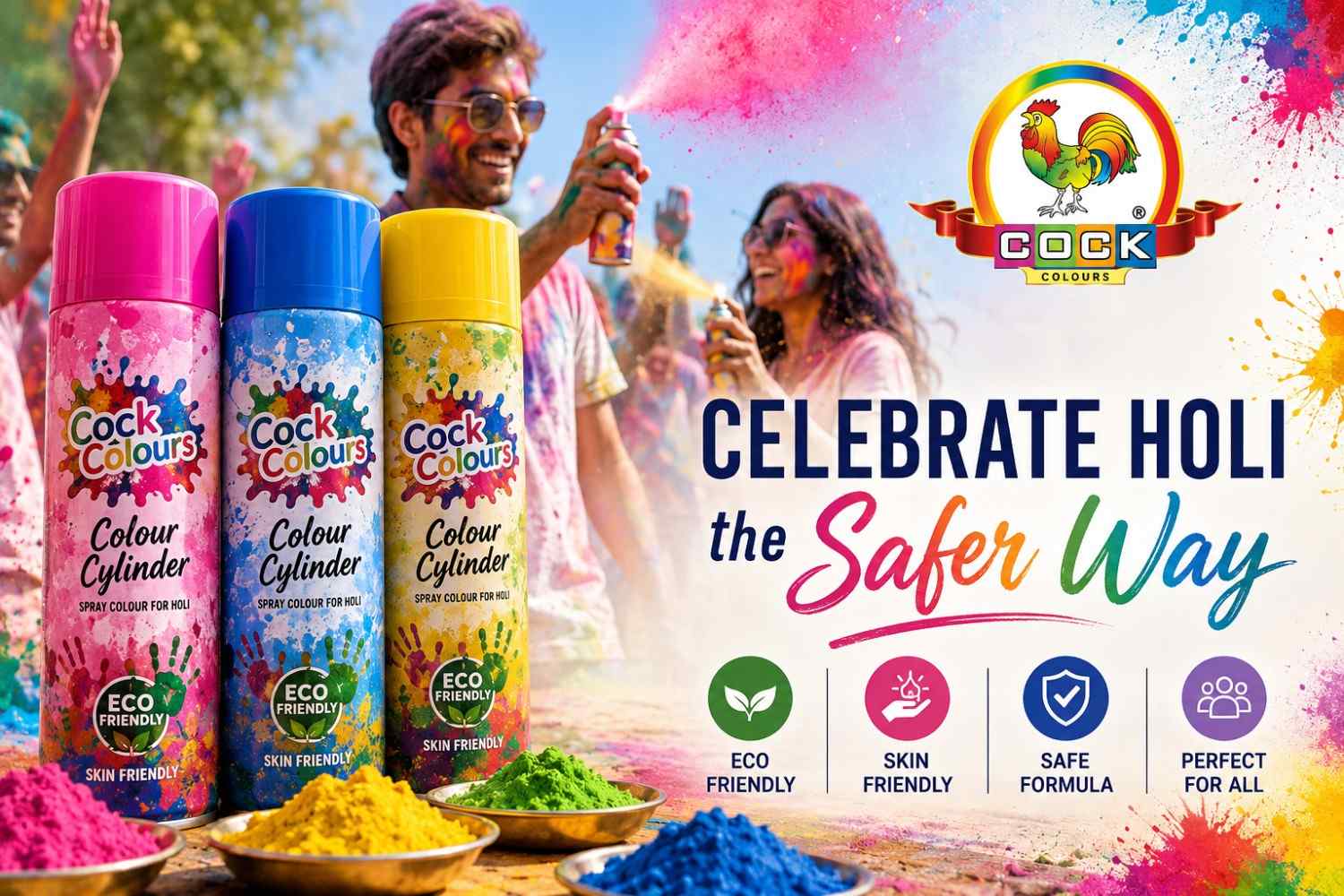
Cock Colours has built its Holi range specifically around this balance — colours vibrant enough to keep the festival spirit alive, without the chemical shortcuts that cause most of the post-Holi complaints people quietly deal with every year.
Where Can You Buy Good Quality Organic Colour for Holi Online?
The days of only being able to buy Holi colour from a roadside stall are mostly over — you can now buy natural Holi colours online and have them delivered well before the festival, with far more information available about what you're actually purchasing.
A few things worth checking before you order:
Clear ingredient listing — avoid sellers who only write "herbal" or "organic" without specifying what's actually in the powder.
Lab testing or certification, where available, offering some assurance the product has been checked for harmful heavy metals or banned substances.
Established brand names, like Cock Colours, which have built a reputation over multiple Holi seasons rather than appearing only around festival time.
Genuine customer reviews from previous years, particularly ones that mention skin reactions (or the lack of them) and how easily the colour washed off.
Buying organic Holi colours online also lets you compare pricing across sellers ahead of time, which matters because prices for good quality Holi colour tend to climb sharply in the final week before the festival as demand spikes.
Frequently Asked Questions
1. What makes a Holi colour "organic"? An organic colour for Holi is made using a natural base like arrowroot powder, corn starch, or rice flour, combined with plant-based colourants such as turmeric, beetroot, or hibiscus, instead of synthetic dyes and industrial fillers.
2. Are herbal Holi colours as bright as synthetic ones? Herbal colour for Holi tends to have a slightly softer, more natural tone compared to the neon brightness of synthetic dyes, but good quality organic brands have improved their formulations to stay vibrant and festival-appropriate.
3. Can organic Holi colour still cause skin irritation? It's far less likely than with synthetic colour, but people with specific plant-based allergies should do a small patch test beforehand, especially with colours containing turmeric or other strong herbal extracts.
4. Is it safe to buy Holi colours online, or is it better to buy in person? Buying online is often safer when purchasing from established brands like Cock Colours, since online listings typically include ingredient details and reviews, whereas loose colour sold at local stalls usually comes with no information at all.
5. Does organic Holi colour wash off easily? Yes, organic and herbal Holi colours generally wash off within a wash or two using regular soap and water, unlike synthetic colours that can cling to skin and hair for several days.
Final Thoughts
Holi is meant to be about colour, water, music, and a few hours of not taking anything too seriously. It shouldn't come with a side effect of itchy skin or irritated eyes that lingers for days afterward. Taking a little time to check what's actually in your Holi colour — whether it's genuinely organic, herbal, and skin friendly — changes how the whole festival feels, both during the celebration and in the days that follow.
Choosing a trusted name like Cock Colours for your organic colour for Holi this year means you don't have to trade off vibrant celebration for safety. Some things about Holi are worth keeping loud and colourful — your skin and eyes shouldn't have to pay the price for it.