HOW ORGANIC RANGOLI POWDER HELPS PROTECT THE ENVIRONMENT DURING
July 17, 2026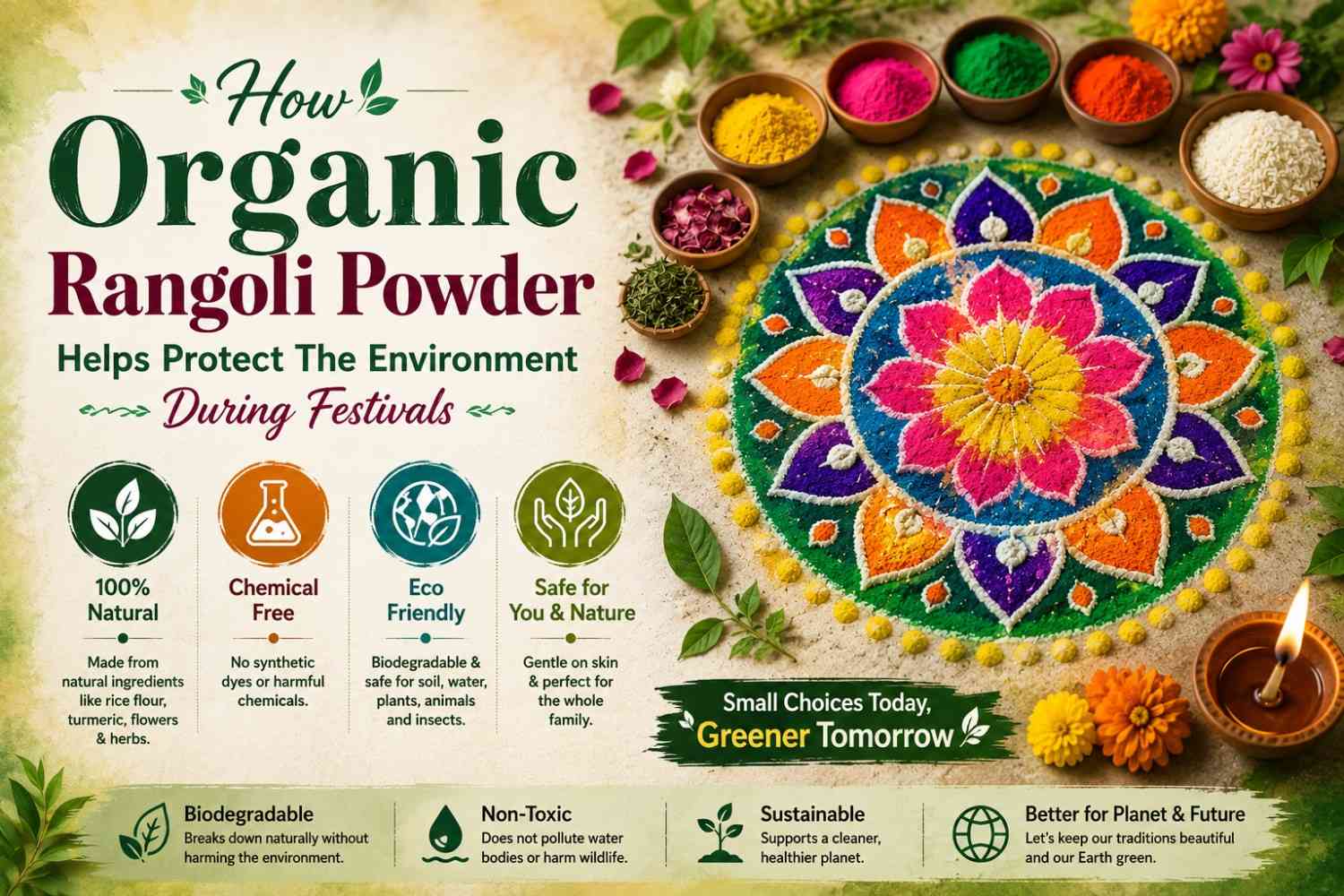
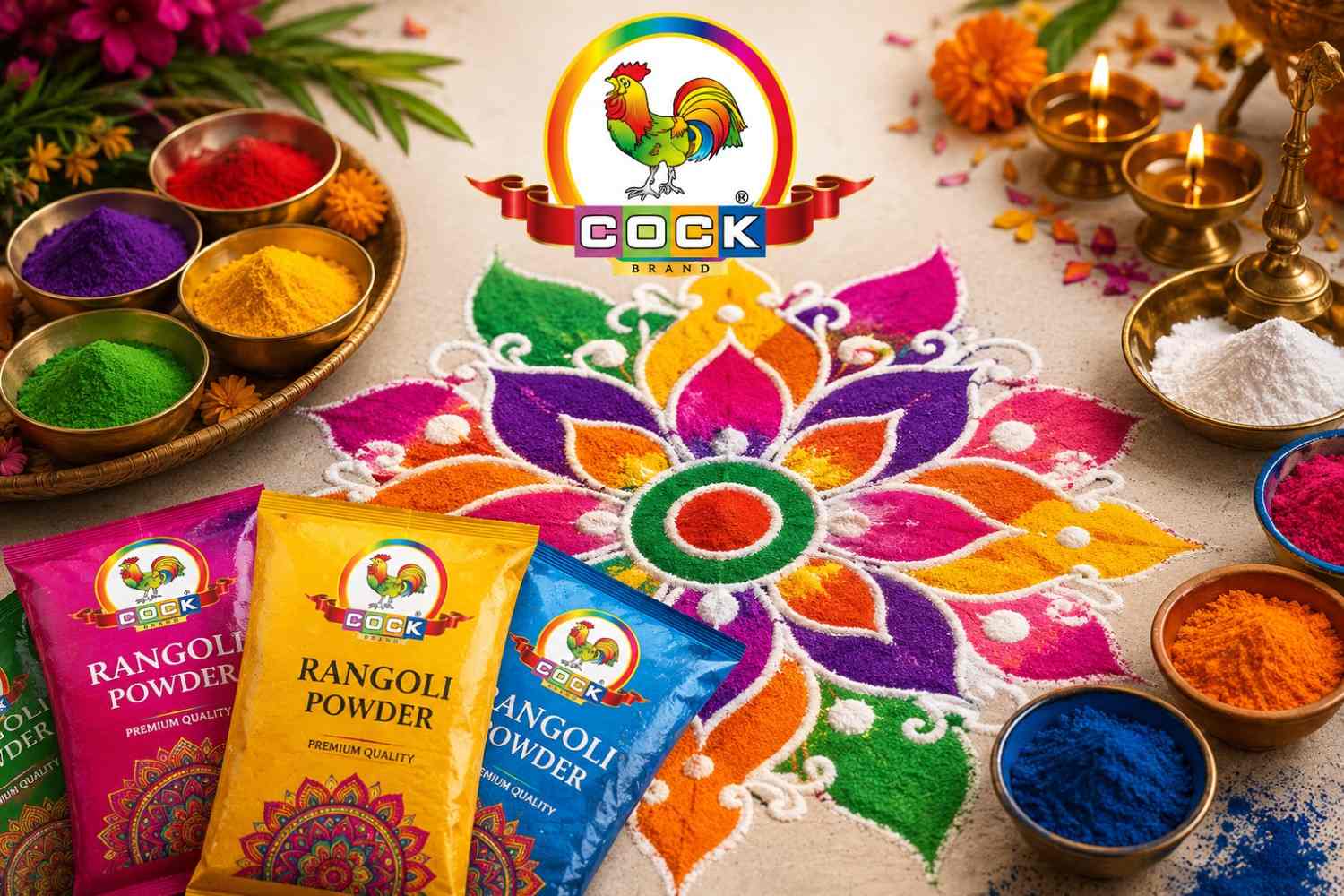
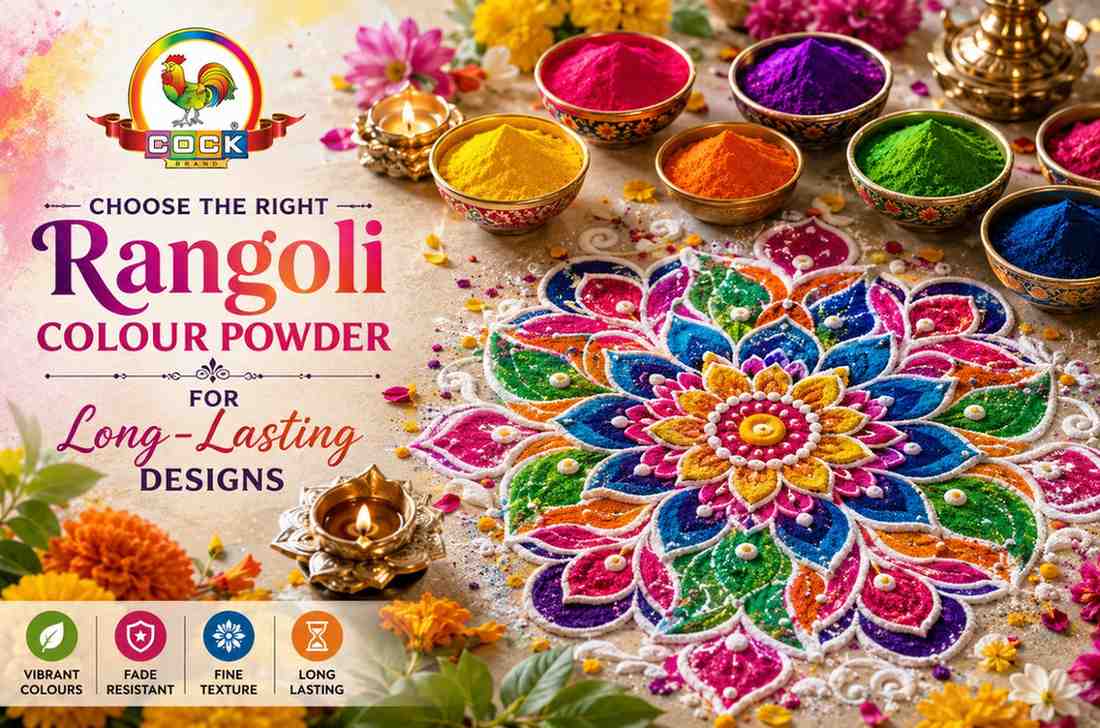
Festivals in India have a certain smell to them. Fresh marigolds, sweets on the stove, and that fine coloured powder being poured out at the doorstep before the guests arrive. Rangoli is one of those traditions that nobody really "learns" you just grow up watching your mother or grandmother sit on the floor with a bowl of colours, and one day you find yourself doing the same thing. But somewhere between the 1990s and now, the powder in that bowl changed. It went from something made in a kitchen or a small local shop to something manufactured in bulk, often with chemical dyes that nobody thinks twice about.
This is where the conversation around organic rangoli powder really needs to happen not as a trend, but as something worth understanding properly before Diwali, Onam, or any of the festivals where rangoli takes centre stage.
What Exactly Is Rangoli Powder Made Of?
Most people never actually check the label on their rangoli powder. Why would they? It's a festival item, used for a day or two, swept up, and forgotten. But if you did check, you'd probably find a mix of synthetic dyes, chalk powder, and sometimes even industrial colourants that were never meant to touch human skin, let alone be scattered across the ground where kids play and pets walk.
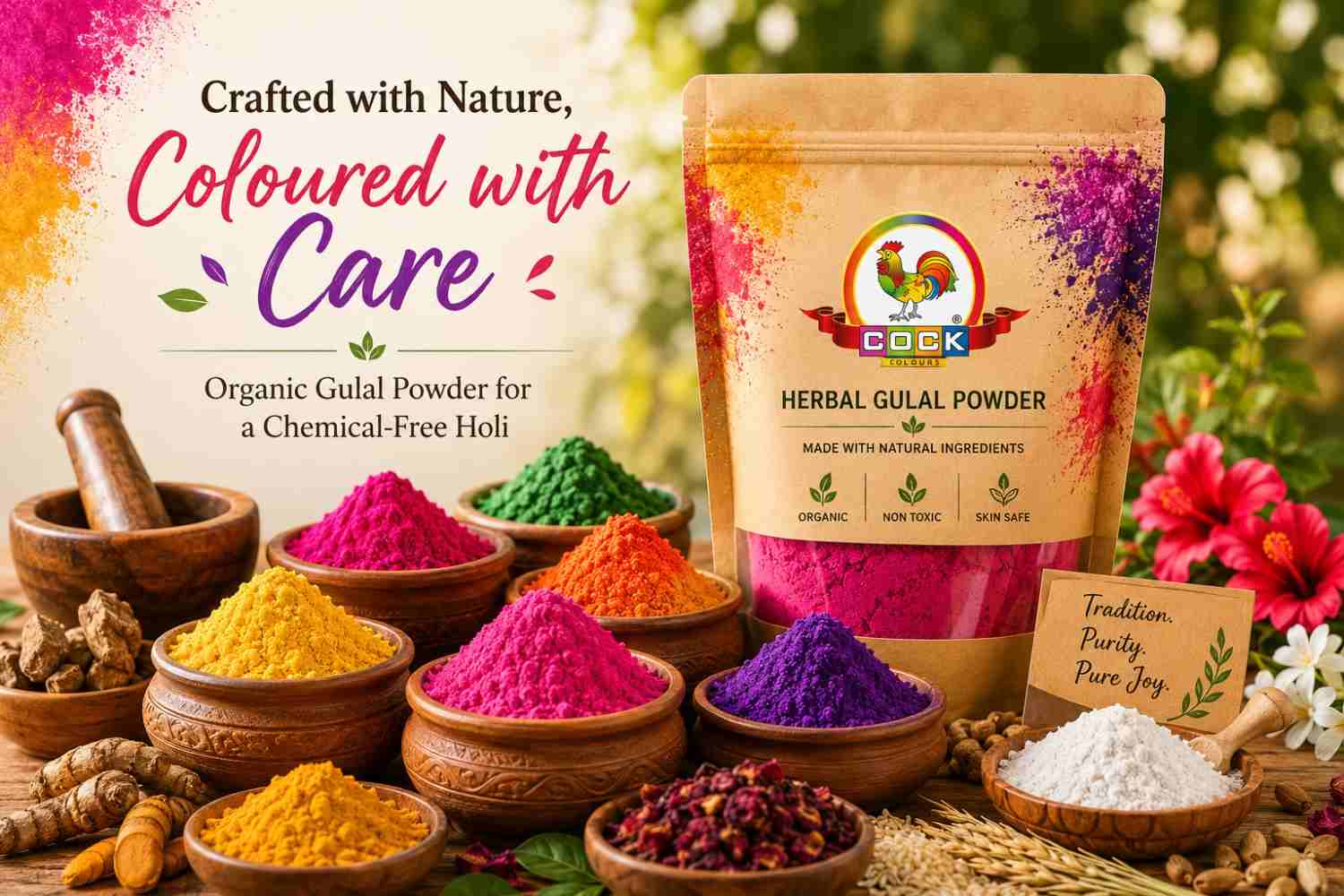
Organic rangoli powder, on the other hand, is made using natural sources rice flour, turmeric, indigo, flower petals, dried leaves, and mineral-based colours that don't rely on synthetic chemical processing. Brands like Cock Colours have been trying to shift this conversation by offering rangoli powder that leans on these traditional, plant-based ingredients instead of the harsh alternatives that flooded the market over the last couple of decades.
The difference isn't just about ingredients on paper. It shows up in how the powder behaves herbal rangoli powder tends to have a slightly muted, earthy tone compared to the almost neon brightness of synthetic colours. Some people find that off-putting at first because we've gotten used to the "loud" colours. But once you notice how gentle it looks against a clean floor, it's honestly hard to go back.
How Does Rangoli Powder Affect The Environment?
This is the question that doesn't get asked enough. We talk endlessly about plastic bags, vehicle emissions, and industrial waste, but a small bowl of festival powder rarely makes it into that conversation. It should.
Here's what happens with synthetic rangoli powder after the festival ends:
It gets swept into drains, gutters, or open ground.
Rain washes it into soil and water bodies.
The chemical dyes and heavy metals used in cheap synthetic colours don't break down easily.
Over time, this residue affects soil fertility and can contaminate groundwater in areas where drainage isn't properly managed.
Multiply that by the number of households doing rangoli every festival season, across a country of over a billion people, and the scale stops looking small. It's not one bowl of powder causing damage, it's millions of them, year after year, quietly adding up.
Organic rangoli powder breaks down differently. Because it's made from natural, biodegradable materials, it doesn't leave behind the same toxic residue. Rice flour and turmeric-based rangoli, for instance, can decompose naturally without harming soil microorganisms. Birds and insects that come into contact with it aren't exposed to industrial dyes. It's a small shift, but it's the kind of shift that actually matters when you're talking about environmental impact at a national scale.
The Skin And Health Angle Nobody Talks About Enough
Environmental protection isn't the only reason to switch to organic rangoli powder, there's a very personal reason too. Anyone who's spent an afternoon making rangoli knows the powder gets on your hands, under your nails, sometimes even in small cuts you didn't know you had. Synthetic dyes used in cheaper rangoli powders have been linked to skin irritation, and in some cases, more serious allergic reactions, especially for children who tend to get their hands deepest into the colour bowls.
Herbal rangoli powder avoids most of this risk simply because the ingredients are things your body already recognises turmeric, flower extracts, rice-based compounds. This is part of why brands focusing on organic rangoli powder often position their products as safe for family use, not just as an "eco-friendly" label to slap on packaging.
Why This Matters More During Festival Season Specifically
Festivals concentrate a lot of environmental impact into a short window of time. Think about it, Diwali alone involves lights, firecrackers, packaging waste from sweets and gifts, and yes, rangoli powder, all happening across the country within the same week or two. Each of these individually might seem manageable, but together they create a genuine spike in pollution and waste that local municipalities often struggle to handle.
Rangoli powder is one of the few festival elements that's actually easy to fix. You don't need a new tradition, you just need a better version of the same one. Swapping synthetic powder for organic rangoli powder doesn't change how the rangoli looks on your doorstep, how long it takes to make, or how much joy it brings your family. It just changes what happens after the festival is over, which is exactly the part most of us never think about.
What To Look For When Buying Organic Rangoli Powder
If you're trying to make the switch this festival season, here's what actually helps:
Check the ingredient list. If it just says "colour powder" with no breakdown, that's usually a red flag. Genuine organic rangoli powder brands will list their base ingredients: rice flour, turmeric, herbal extracts, natural mineral colours.
Look for texture consistency. Natural rangoli powder tends to be slightly coarser than synthetic versions, which are often processed to be extremely fine and free-flowing.
Smell matters. Herbal rangoli powder often carries a faint natural scent of turmeric, sandalwood, or floral notes depending on what it's made from. A completely odourless, overly bright powder is usually a sign of heavy synthetic processing.
Trusted brands help. This is where a name like Cock Colours becomes relevant. Established brands that have been in the colour and rangoli powder business for years generally have more consistent sourcing and quality control than unbranded, loose powder sold without any information.
A Small Habit With A Bigger Ripple Effect
There's something worth sitting with here; rangoli, at its core, was never meant to be wasteful. It started as a practice using rice flour and natural pigments, made fresh at home, meant to feed ants and small insects as much as it was meant to look beautiful. The synthetic, mass-produced version we got used to over the last few decades was actually the deviation from tradition, not the other way around.
So when people ask how does rangoli powder affect the environment, the honest answer is: it depends entirely on what's in the bowl. A powder made from turmeric and rice flour returns to the earth without complaint. A powder loaded with synthetic dye and unregulated colourants doesn't.
Choosing organic rangoli powder this festival season isn't about performing eco-consciousness for anyone else to see. It's a quiet decision, made at your own doorstep, that happens to align an old tradition with a very modern need taking a little more care of the ground we're all standing on.
If you're setting up your rangoli this year, it might be worth checking what's actually in the packet before you pour it out. Herbal rangoli powder from a reliable name like Cock Colours gives you the same festive colours, the same doorstep tradition, without leaving behind something the soil has to deal with long after the diyas are packed away.
Some traditions are worth keeping exactly as they are. This one just needs a small update and it's an update that costs nothing in terms of beauty, but gives back quite a lot in terms of impact.