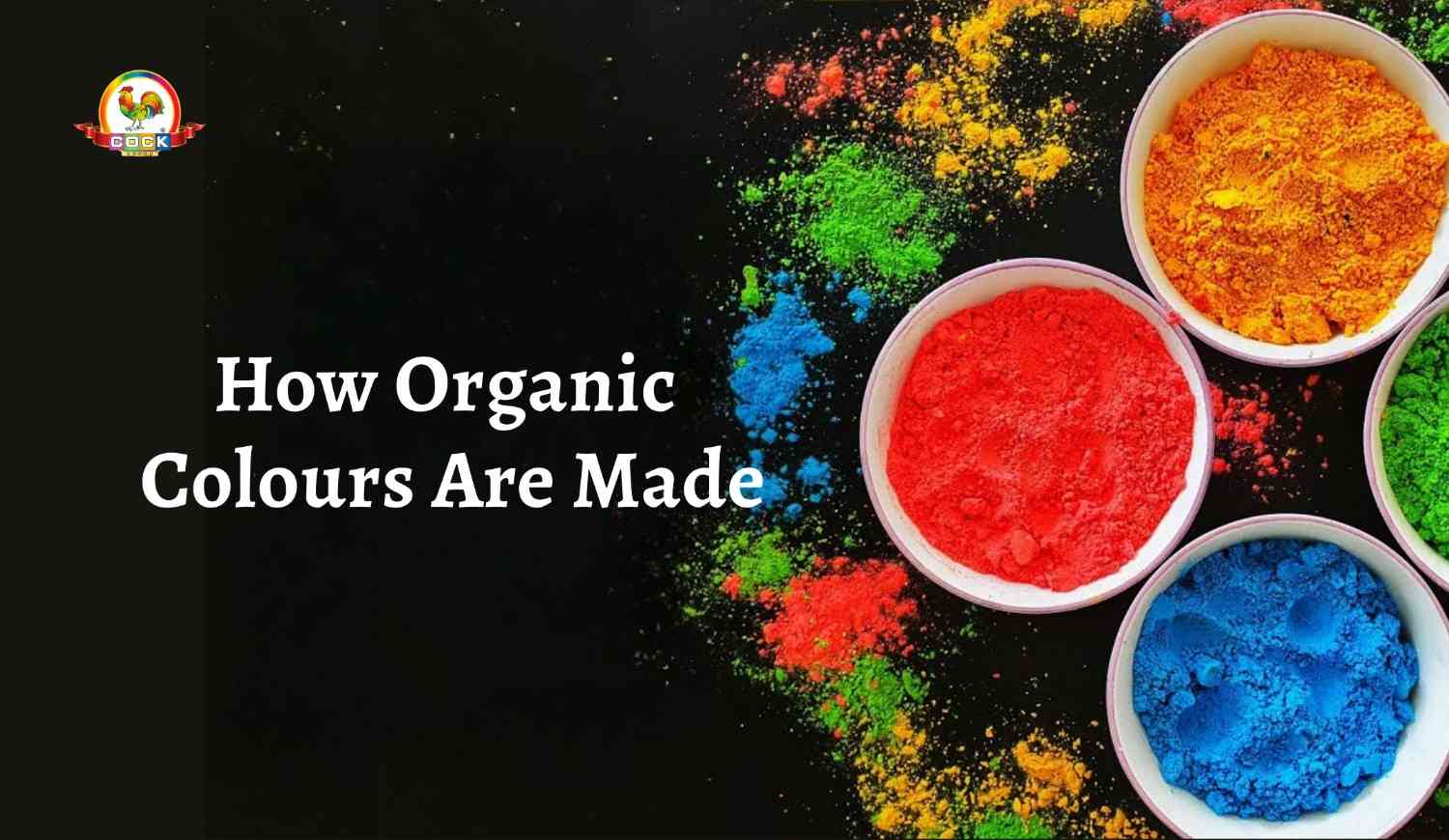
Holi is a festival of colours, joy, and togetherness, but in recent years, the way colours are made has become just as important as how they are used. With growing awareness around skin safety, environmental impact, and sustainability, more people are now choosing Organic holi colours over synthetic alternatives.
Organic colours are not just a trend—they represent a conscious shift toward safer celebrations. This guide explains how organic holi colours are made, step by step, what goes into natural gulal powder, how these colours compare to chemical ones, and why they are becoming the preferred choice among modern families and organizations.
What Are Organic Holi Colours?
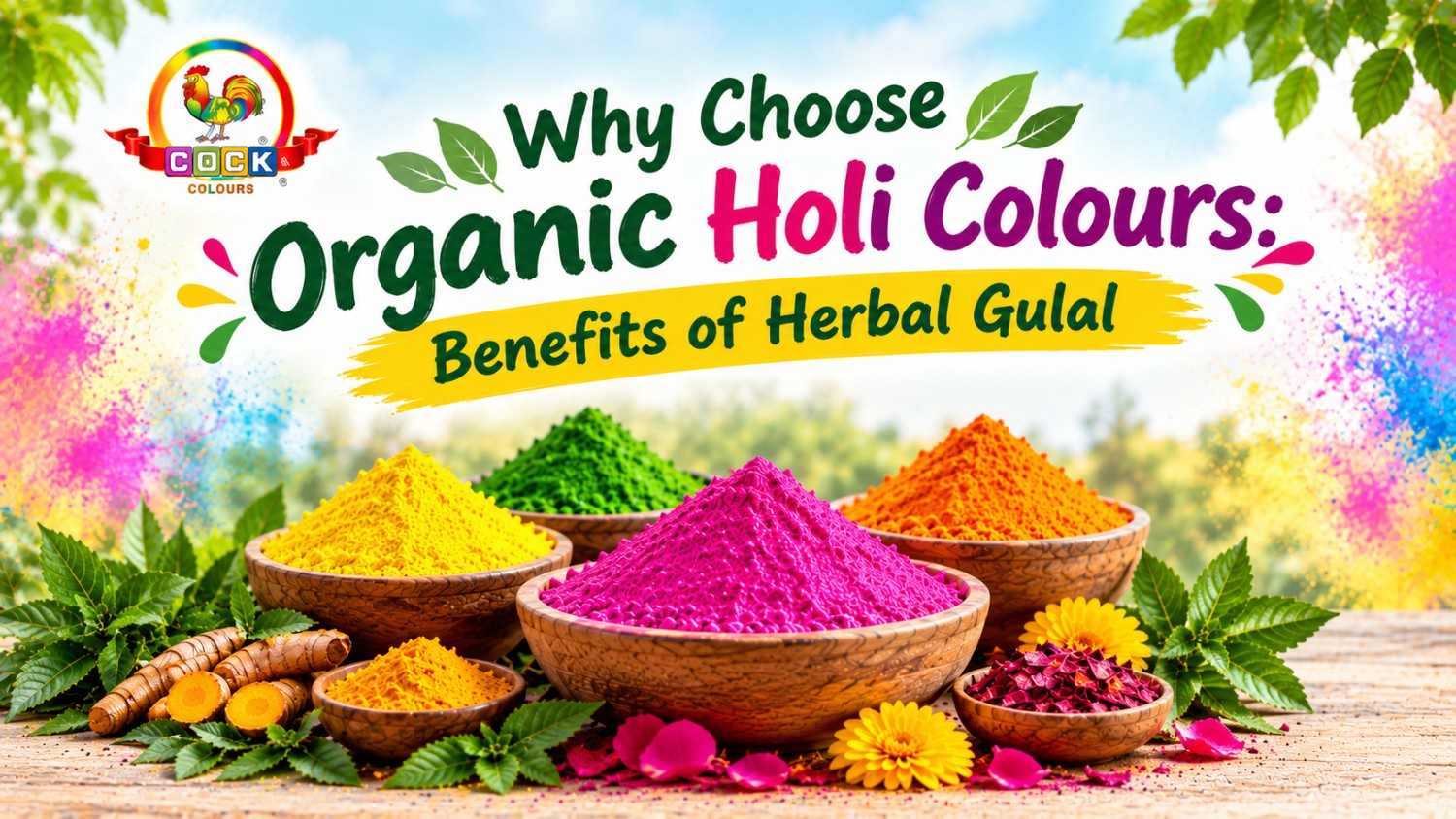
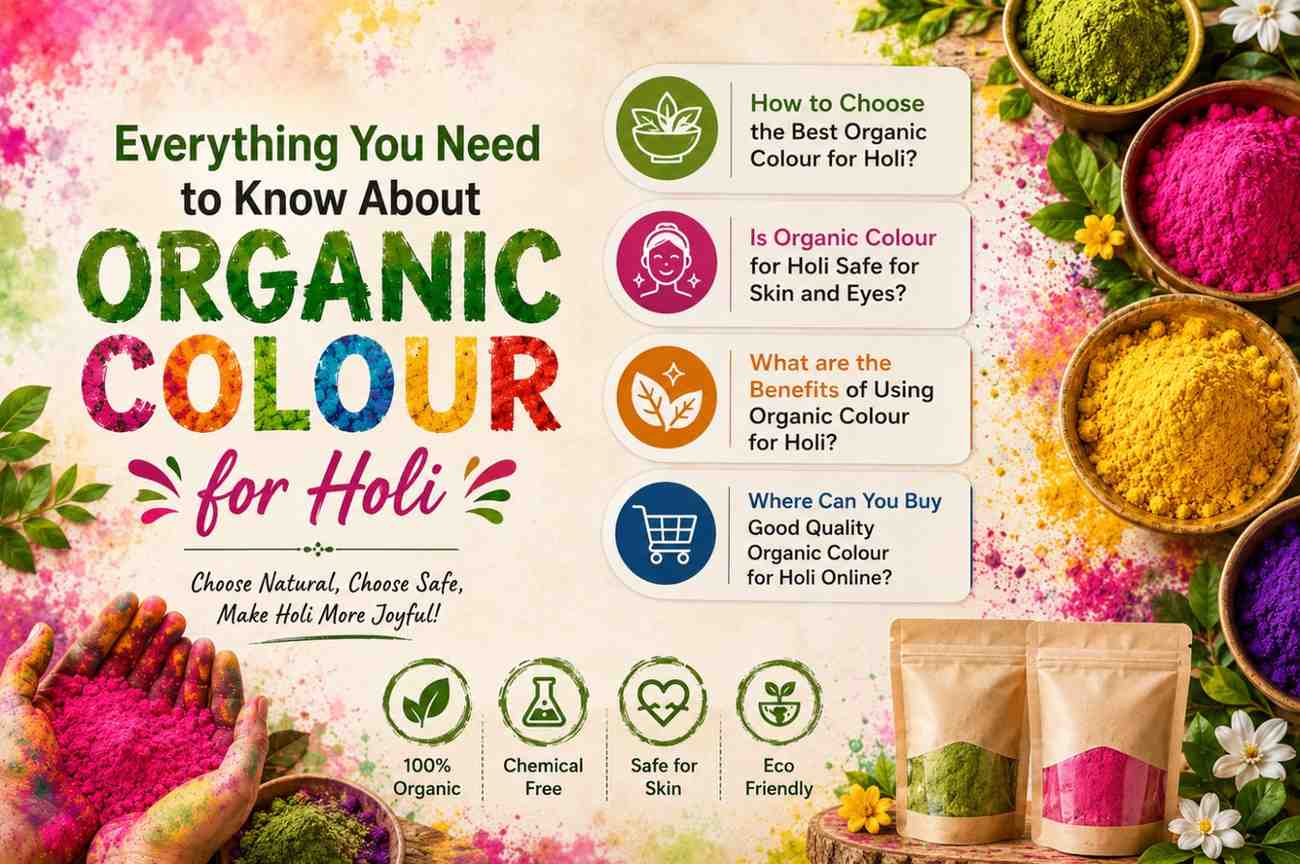
Organic holi colours are natural colour powders made using plant-based ingredients, food-grade minerals, and herbal extracts. Unlike synthetic colours, they do not contain harsh chemicals, heavy metals, or industrial dyes.
These colours are designed to be gentle on skin, safe for children, and environmentally friendly. Most organic holi products focus on purity, softness, and easy washability while maintaining vibrant yet soothing shades.
Why the Making Process of Organic Colours Matters
The quality of gulal powder depends entirely on how it is made. A well-structured production process ensures that the colour remains safe, non-toxic, and suitable for all age groups.
Understanding how organic holi colours are made helps consumers make informed choices and avoid misleading labels. True organic colours follow strict ingredient selection, processing, and testing standards.
Step-by-Step Guide: How Organic Holi Colours Are Made
Step 1: Selection of Natural Raw Materials
The process begins with choosing safe, plant-based ingredients. Natural sources such as flowers, herbs, fruits, and vegetables are carefully selected for their colour properties.
Common natural ingredients include turmeric for yellow, beetroot for pink and red tones, indigo plants for blue shades, and spinach or neem leaves for green hues. These ingredients form the base of authentic organic Gulal powder.
Quality-focused manufacturers avoid artificial pigments at this stage, as raw material purity defines the safety of final holi products.
Step 2: Drying of Natural Ingredients
Once the raw materials are selected, they are thoroughly cleaned and dried. Drying is done naturally under controlled conditions to retain colour intensity without damaging the plant compounds.
This step is crucial because moisture can affect both the texture and shelf life of gulal powder. Proper drying ensures the colours remain soft, fluffy, and easy to apply.
Step 3: Grinding into Fine Powder
After drying, the materials are ground into a fine powder using hygienic grinding processes. The goal is to achieve a smooth, uniform texture that feels soft on the skin.
High-quality organic holi colours never feel coarse or gritty. Fine grinding ensures the powder spreads evenly and washes off easily after celebrations.
Step 4: Blending with Natural Base Ingredients
To improve texture and usability, the powdered colour extracts are blended with natural base ingredients such as corn starch, rice flour, or arrowroot powder.
This blending enhances softness, reduces direct pigment concentration, and makes the gulal powder suitable for prolonged skin contact. No synthetic binders or fillers are added at this stage.
Step 5: Natural Colour Stabilization
Unlike chemical colours that rely on artificial stabilizers, organic colours use gentle, food-grade stabilizing methods. This helps maintain shade consistency while keeping the colour safe.
This step ensures that organic holi colours remain vibrant but not harsh, offering a balanced visual appeal.
Step 6: Safety Testing & Quality Checks
Reputed manufacturers conduct multiple quality checks to ensure the colours are skin-safe, non-toxic, and irritation-free. These checks are especially important for products meant for children and sensitive skin.
Only after passing safety standards are the holi products approved for packaging.
Step 7: Eco-Friendly Packaging
The final step involves packaging the colours in eco-friendly, sealed packs to maintain freshness and hygiene. Sustainable packaging aligns with the overall philosophy of organic holi products—safe for people and the planet.
How Organic Gulal Powder Is Different from Chemical Colours
Understanding the difference between organic and chemical colours helps explain why the production process matters.
Chemical gulal powder is usually made using industrial dyes, heavy metals, and synthetic fragrances. These substances may offer brighter colours but can cause skin allergies, eye irritation, and environmental harm.
Organic gulal powder, on the other hand, is made from natural ingredients, is biodegradable, and is significantly safer for repeated use.
Comparison: Organic Holi Colours vs Synthetic Colours
Organic holi colours are gentle on skin, safe for children, and eco-friendly, though they may appear slightly softer in shade. Synthetic colours are often brighter and cheaper but can cause skin reactions and are harmful to the environment.
From a long-term health and sustainability perspective, organic Holi products clearly offer greater value.
Pros and Cons of Organic Holi Colours
Pros
Organic holi colours are non-toxic, skin-friendly, and suitable for all age groups. They are biodegradable, easy to wash off, and do not harm hair or eyes. Their production process supports sustainability and responsible celebrations.
Cons
They may be slightly more expensive than chemical colours and offer softer, pastel shades instead of extremely bright tones. However, these limitations are outweighed by safety and quality benefits.
Why Organic Holi Products Are Gaining Popularity
As awareness around health and environmental safety grows, consumers are actively moving toward organic options. Families with children, schools, offices, and corporate environments increasingly prefer organic holi colours because they reduce risk and align with modern values.
The demand for responsibly made holi products has also encouraged better transparency in manufacturing processes.
Role of Gulal Powder in Organic Holi Celebrations
Gulal powder is the most widely used form of Holi colour. When made organically, it offers the perfect balance of tradition and safety. Soft texture, mild fragrance, and natural hues make organic gulal powder ideal for dry Holi celebrations.
It is especially popular for indoor events, children’s celebrations, and corporate gatherings.
How to Identify Genuine Organic Holi Colours
Consumers should look for clear ingredient labels, absence of chemical dyes, and brands that openly explain their manufacturing process. Authentic organic holi products focus on safety certifications, transparency, and eco-friendly practices.
Avoid colours that feel gritty, smell strong, or leave stains after washing.
FAQs: How Organic Holi Colours Are Made
What are organic holi colours made from?
They are made from natural ingredients such as flowers, herbs, vegetables, food-grade starches, and plant extracts.Is organic gulal powder safe for children?
Yes, organic gulal powder is generally safe for children when made using skin-friendly, chemical-free ingredients.Do organic holi colours wash off easily?
Yes, since they do not contain synthetic dyes, they wash off easily with water.Are organic holi products environmentally friendly?
Yes, they are biodegradable and do not pollute water or soil.Why are organic colours slightly more expensive?
The use of natural ingredients, careful processing, and safety testing increases production cost, but ensures better quality.
Final Checklist Before Buying Organic Holi Colours
Check ingredient transparency
Ensure powder texture is soft
Confirm absence of chemical dyes
Choose eco-friendly packaging
Buy from trusted holi product brands
Conclusion
Understanding how organic holi colours are made highlights why they are a safer and more responsible choice for modern celebrations. From careful raw material selection to gentle processing and quality testing, every step focuses on health, comfort, and sustainability. As people move toward mindful festivities, organic gulal powder and eco-conscious holi products are becoming the new standard. Choosing the right colours ensures that Holi remains joyful without compromising well-being. For those seeking high-quality, skin-safe, and thoughtfully crafted organic holi colours, trusted brands like Cock Colours offer a wide range of natural holi products designed for safe, vibrant, and responsible celebrations.